





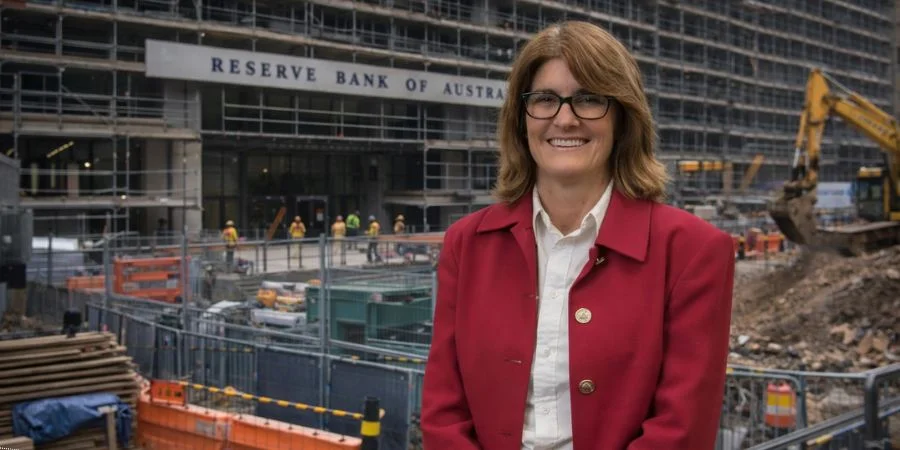
Reserve Bank of Australia Approves $1.2B Renovation
The Reserve Bank of Australia has officially approved a $1.2 billion renovation project, pushing forward a long-delayed infrastructure upgrade that has drawn widespread attention.
The decision, led by Governor Michele Bullock, clears the way for the controversial project—often referred to as a “reno from hell” due to its escalating costs and extended timelines—to move into its next phase.
Why the Reserve Bank of Australia Is Trending
The Reserve Bank of Australia is currently trending as the approval comes during a period of heightened scrutiny over its monetary policies and financial management. Critics argue that proceeding with such a costly project sends conflicting signals at a time when the central bank is focused on controlling inflation and guiding economic stability.
On the other hand, supporters believe the Reserve Bank of Australia is making a necessary long-term investment in infrastructure that will improve operational efficiency and future readiness.
Background of the $1.2B Project
The renovation project has been in development for several years, facing repeated delays, rising costs, and growing criticism. Originally approved with a significantly lower budget, the project’s expenses have surged to $1.2 billion, prompting concerns from policymakers and the public.
Despite these issues, the Reserve Bank of Australia has defended the decision, stating that halting the project midway would lead to even greater financial losses and operational challenges.
Economic Pressure and Leadership Focus
The timing of this move has intensified discussions around the Reserve Bank of Australia’s priorities. The institution is already under pressure for its handling of interest rates, inflation, and broader economic policy decisions.
Governor Michele Bullock’s leadership is now under close observation, as analysts assess how this decision aligns with the central bank’s broader financial strategy and public accountability.
What Lies Ahead for the Reserve Bank of Australia
With the project now cleared for execution, the focus will shift to cost control, transparency, and timely delivery. Market participants and policymakers will closely monitor progress to ensure the project remains within revised expectations.
Looking ahead, the Reserve Bank of Australia’s ability to successfully manage this high-profile renovation could play a critical role in shaping public trust and influencing its policy credibility in the months to come.
Also Read: Amina Mohammed Leads Global Summit to Boost Women Leaders