


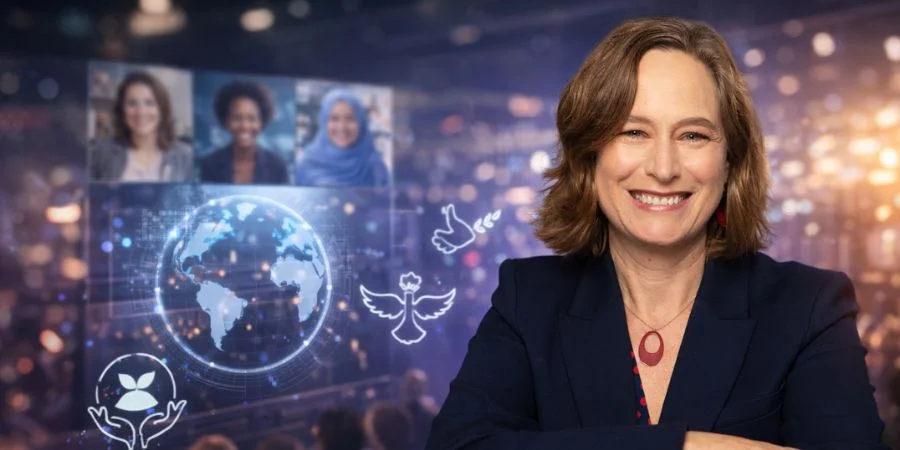
Rachel F. Seidman, a curator at the Smithsonian Institution, headlined the Global Women’s Forum virtual event, delivering a keynote that has quickly gained global attention. Speaking under the theme “Cultivating Peace, Perseverance and Prosperity,” she emphasized the growing financial influence of women amid the ongoing “Great Wealth Transfer.”
Her remarks centered on projections that women are expected to inherit a significant share of the estimated $124 trillion global wealth shift by 2030—an insight now driving conversations among investors, entrepreneurs, and policymakers.
Why the Great Wealth Transfer Is Trending in 2026
The “Great Wealth Transfer” refers to the unprecedented intergenerational shift of wealth from older generations to younger heirs. According to Seidman, this transition is not only massive in scale but also transformative in terms of who controls capital.
Her keynote highlighted that women—historically underrepresented in wealth ownership—are positioned to become primary beneficiaries of this shift. This has made the topic one of the most searched trends among female entrepreneurs in 2026, particularly those seeking to access new funding opportunities and investment networks.
Search interest has surged as business leaders look to understand how capital allocation, leadership priorities, and investment strategies may evolve in response to this demographic shift.
Implications for Female Entrepreneurs and Investors
Seidman noted that the implications extend far beyond inheritance. As more women gain control over wealth, they are expected to influence investment decisions, philanthropic priorities, and corporate governance.
For female entrepreneurs, this represents a potential shift in funding dynamics. Increased access to capital could drive growth in women-led startups, expand innovation ecosystems, and reshape industries traditionally dominated by male investors.
Financial institutions and venture capital firms are also closely monitoring this trend, as it signals the need to adapt services, products, and outreach strategies to a rapidly changing investor base.
A Broader Shift in Economic Power
Beyond individual opportunities, Seidman framed the Great Wealth Transfer as part of a broader transformation in global economic power structures. She emphasized that this shift could redefine how wealth is managed, distributed, and utilized across generations.
The conversation also ties into larger themes of equity, inclusion, and sustainable development—key pillars of the 2026 Global Women’s Forum. By aligning financial empowerment with these values, the transition could have long-term societal impacts.
What Comes Next
As the Great Wealth Transfer accelerates toward 2030, experts expect continued focus on how women will shape the future of global finance. With growing awareness and strategic positioning, the coming years may mark a pivotal era where female investors and entrepreneurs play a defining role in directing trillions of dollars in capital worldwide.
Also Read: Caitlin Clark WNBA CBA Negotiations Update: Fever Fans Surge